


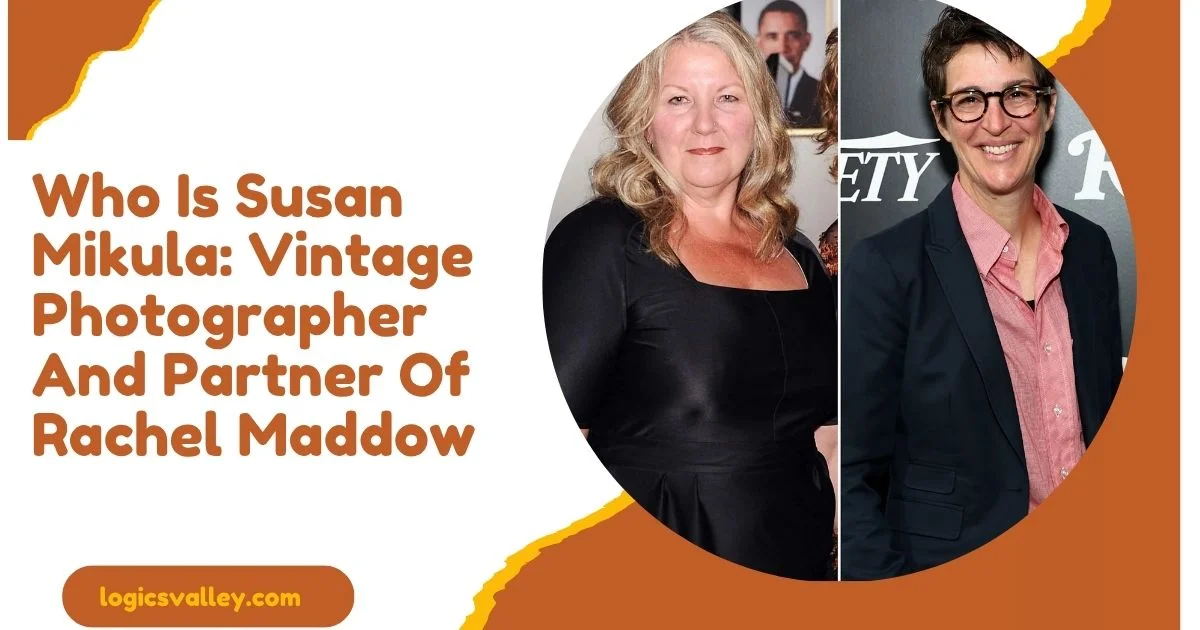
Susan Mikula was born in New Jersey in 1958 and raised in urban-industrial New Hampshire—a landscape that would later inspire much of her photographic work. Unlike many in the art world, she didn’t attend a prestigious art school or graduate with a fancy MFA. Instead, she studied at Hampshire College in Amherst, Massachusetts, focusing on color theory and photography—an education rooted in concept rather than technical training.
This DIY approach shaped her later work: raw, analog, and unfiltered by modern digital perfection.
Career in Art: From Industrial Spaces to National Recognition
What makes Mikula’s art stand out is her choice of medium. She’s known for using Polaroid cameras, especially older SX-70 models, to create dreamy, abstract images that challenge the way we see time, space, and memory. Her work isn’t focused on people, but rather places—often industrial or historical sites that hold forgotten stories.
Some of her most recognized series include:
- “American Bond” (2007–2011) – A deep visual exploration of America’s industrial past.
- “u.X” – A haunting collection based on the American West.
- “Photo Book” exhibits in New York and San Francisco—where she gained praise from critics for her distinctive analog methods.
Her photography has been exhibited in galleries across the U.S., and she’s published several monographs, which include her own essays and commentary.
Relationship with Rachel Maddow: A Quiet, Private Love
Susan Mikula is famously private, especially regarding her personal life. However, it’s no secret that she’s been in a long-term relationship with Rachel Maddow, the Emmy-winning host of “The Rachel Maddow Show” on MSNBC.
The two met in 1999 when Mikula hired Maddow to do yard work at her home in western Massachusetts. What began as a casual interaction turned into a decades-long partnership based on mutual respect and intellectual connection. Despite Maddow’s public life, the couple has kept their relationship grounded and away from the celebrity spotlight.
They split their time between homes in Western Massachusetts and New York City, sharing a love of quiet domestic life, books, and dogs.
Art Style and Influences: Analog in a Digital World
In an age dominated by digital filters, Mikula’s analog methods feel refreshingly raw. She avoids retouching, embracing imperfections like blur, grain, and light leaks. This choice isn’t just aesthetic—it’s philosophical.
Her inspirations range from 19th-century landscape painters to modern minimalists. Mikula has said that her photography is about “capturing a place’s energy,” not just its image. This makes her work feel almost like visual poetry, not documentation.
She’s also been influenced by themes of memory, decay, and historical tension. Much of her work feels like a meditation on time—how we preserve it, distort it, and forget it.
Public Perception: Overshadowed or Standing Alone?
While Mikula’s relationship with Maddow certainly brought her additional media attention, it would be unfair to define her by it. Critics who’ve followed her work note her strong curatorial voice and thematic consistency.
She’s been featured in The New York Times, Artforum, and ARTnews, and her work has appeared in private and public collections. In interviews, she remains humble about her success, often deflecting praise back to the “old-school” process of image-making that she deeply respects.
Lesser-Known Facts About Susan Mikula
- She’s self-taught in most of her techniques and prefers experimenting over following trends.
- Mikula is an avid reader and often draws inspiration from literature.
- She and Maddow are both advocates of mental health awareness, though they rarely speak publicly about it.
- Her favorite tools are discontinued Polaroid films—she buys them in bulk and stores them carefully.
Legacy and Influence: Why Susan Mikula Matters
In a culture where fame often overshadows talent, Susan Mikula stands as a reminder that art doesn’t need to be loud to be powerful. Her photographs whisper instead of shout, but the message lingers.
She’s built a body of work that blends Americana, abstraction, and emotional depth—all without giving in to market pressures or media hype. That’s rare.
Her influence continues to grow, especially among young photographers who are tired of pixel-perfect images and want something tactile, meaningful, and deeply felt.
Read More: Tia Kemp’s Age, Birthday & Life Achievements You Didn’t Know About
Conclusion: The Woman Behind the Lens
So, who is Susan Mikula? She’s a photographer, thinker, partner, and quiet force in American art. Her work invites you to slow down, to notice what’s being lost in our rush toward the digital. In every frame she captures, there’s a story—but it’s up to you to find it.
Whether you’re here because of her relationship with Rachel Maddow or because you love analog art, one thing is clear: Susan Mikula deserves her own spotlight.
