


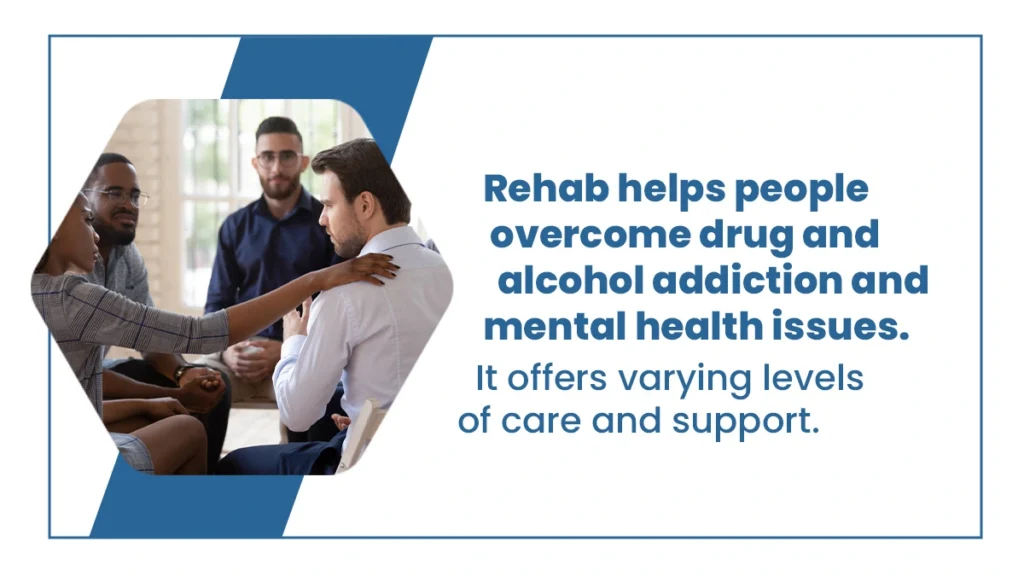
Alcohol addiction, also known as alcoholism, is a severe and chronic disease that affects millions of people worldwide. It can have devastating consequences on an individual’s physical and mental health, personal relationships, and overall quality of life. However, with proper treatment and support, recovery from alcohol addiction is possible. We will provide a comprehensive guide to alcohol detox and treatment programs, addressing the importance of seeking professional help, the different types of treatment available, and the steps involved in the recovery process. To explore more, then feel free to read more about our services.
The Importance of Professional Help
Attempting to detox from alcohol on your own can be incredibly dangerous and even life-threatening. Alcohol withdrawal symptoms can range from mild to severe, including anxiety, insomnia, tremors, seizures, and delirium tremens (DTs), which can be fatal if left untreated. Professional medical supervision during the detox process is crucial to ensure a safe and comfortable withdrawal experience.
Rehabilitation centers and alcohol rehab facilities employ trained medical professionals who can monitor vital signs, provide medication to alleviate withdrawal symptoms, and address potential complications. Additionally, these facilities offer a supportive environment that promotes long-term recovery through counseling, therapy, and aftercare services.
A critical aspect of overcoming alcohol addiction is finding the right detox and treatment program that suits your needs. Many resources are available to guide individuals through this journey towards recovery. For more detailed information on effective programs and support, check it out to explore various options that can help pave the way to sobriety and a healthier lifestyle.
Types of Alcohol Treatment Programs
- Inpatient or Residential Treatment
Inpatient or residential treatment programs provide a structured and intensive approach to recovery. Patients reside at the treatment facility for an extended period, typically ranging from 30 to 90 days or longer, depending on the severity of their addiction and individual needs.
During inpatient treatment, individuals participate in various therapies, such as individual and group counseling, cognitive-behavioral therapy (CBT), and holistic therapies like yoga and meditation. The residential setting removes patients from their everyday environments and potential triggers, allowing them to focus solely on their recovery.
- Outpatient Treatment
Outpatient treatment programs offer a more flexible approach. They allow individuals to receive treatment while continuing to live at home and maintain their daily routines. These programs typically involve attending regular counseling sessions, support group meetings, and other therapeutic activities.
Outpatient treatment is often recommended for those with mild to moderate alcohol addiction or as a step-down approach after completing an inpatient program. It can be an effective option for individuals who have a robust support system at home and are highly motivated to maintain sobriety.
- Medication-Assisted Treatment (MAT)
Medication-assisted treatment (MAT) is an evidence-based approach that combines behavioral therapy and FDA-approved medications to treat alcohol addiction. The medications used in MAT, such as naltrexone and acamprosate, can help reduce cravings and prevent relapse by blocking or reducing the rewarding effects of alcohol.
MAT is often used with other treatment modalities, such as counseling and support groups, to provide a comprehensive approach to recovery.
- Support Groups and Aftercare
Support groups, such as Alcoholics Anonymous (AA) and SMART Recovery, play a crucial role in the recovery process by providing a sense of community, accountability, and ongoing support. These groups offer a safe and non-judgmental environment where individuals can share their experiences, struggles, and successes with others on a similar journey.
Aftercare services, including sober living facilities, alum programs, and ongoing counseling, are essential for maintaining long-term sobriety. These services provide a support system and coping strategies to help individuals navigate the challenges of daily life while remaining alcohol-free.
Steps Involved in the Recovery Process
- Detoxification
The first step in the recovery process is ” detoxification.” This involves removing all traces of alcohol from the body and managing the associated withdrawal symptoms. Depending on the severity of the addiction, the detox process can last several days to weeks and may require medical supervision and medication to alleviate discomfort and prevent complications.
- Rehabilitation and Therapy
After completing the detox process, individuals typically transition to a rehabilitation program. During this phase, various therapies and counseling sessions are employed to address the underlying causes of addiction, develop coping mechanisms, and establish a strong foundation for long-term recovery.
Cognitive-behavioral therapy (CBT) is a widely used approach that helps individuals identify and modify negative thought patterns and behaviors that contribute to their alcohol use. Other standard therapies include family therapy, trauma-focused therapy, and holistic approaches like mindfulness and art therapy.
- Lifestyle Changes and Support System
Recovery from alcohol addiction is a lifelong journey that requires significant lifestyle changes and a robust support system. During treatment, individuals develop healthy coping mechanisms, establish routines, and cultivate positive relationships and activities promoting sobriety.
Building a solid support system through family, friends, or support groups is crucial for maintaining motivation and accountability. Additionally, ongoing counseling and participation in recovery-focused activities can help individuals stay on track and prevent relapse.
- Relapse Prevention and Aftercare
Despite the best efforts, relapse is a common occurrence in the recovery process. However, relapse does not mean failure; it is an opportunity to reevaluate the treatment approach and make necessary adjustments.
Relapse prevention strategies, such as identifying triggers, developing coping mechanisms, and maintaining a solid support network, can help individuals focus on their recovery goals. Aftercare services, including sober living facilities, alum programs, and ongoing counseling, provide continued support and resources to maintain long-term sobriety.
Remember, recovery is a process, and setbacks may occur. However, lasting sobriety is attainable with perseverance, a robust support system, and a commitment to personal growth. If you or a loved one is struggling with alcohol addiction, reach out to qualified professionals and take the first step towards a healthier, more fulfilling life.
