


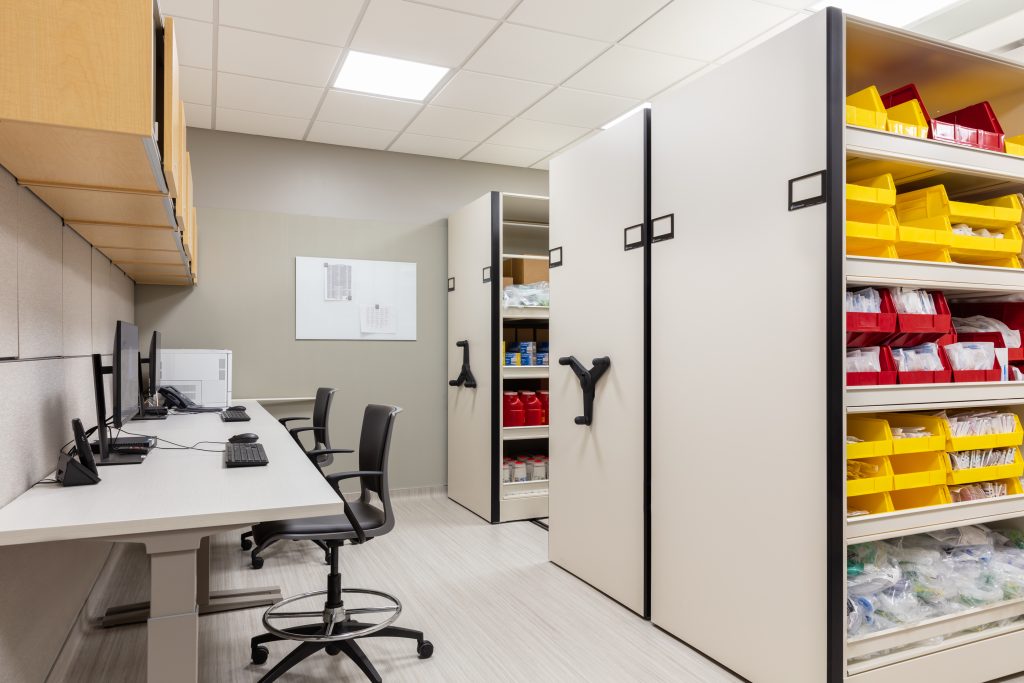
Healthcare facilities take medication security very seriously, which means keeping up-to-date and improving storage protocols regularly. One effective method to increase medication security is installing advanced medicine cabinet locks; they offer greater protection from unauthorized entry while improving overall safety. However, updating storage protocols involves more than installing new locks; here’s an exhaustive guide that can assist in this endeavor.
Assessing Current Storage Practices
The first step towards updating your medication storage protocols should involve conducting an in-depth evaluation of existing practices. Start by carefully going over each procedure you currently employ to identify any gaps or weaknesses, while simultaneously checking if all existing locking mechanisms are adequate and cannot allow unauthorized entry. Finally, assess access controls as well as staff training programs are comprehensive and up-to-date.
Conducting an in-depth audit is vital to identify areas requiring improvement, and should include both physical security measures and procedural protocols to detect vulnerabilities that could compromise medication storage security, such as outdated locking systems or inadequate training programs. An objective and systematic evaluation will ensure all aspects of medication storage security are thoroughly assessed.
Engaging healthcare staff in any assessment process is of utmost importance; their insights may bring to light challenges or risks that are not immediately obvious to management. By soliciting feedback from those directly associated with medication storage on an everyday basis, you can identify potential obstacles while making sure all relevant issues are considered in updated security protocols.
Enhancing Security Measures
Once your practices have been assessed, the next step should be enhancing security measures. Upgrading to advanced medicine cabinet locks is one such measure that can strengthen security measures; electronic locks offer many advantages over their key or combination counterparts such as superior access control, reduced duplication risk, and features such as real-time monitoring and audit trails that do not only increase security but also simplify access management. These features not only increase protection but can offer greater convenience in controlling access.
As well as upgrading locks, consider increasing physical security measures by installing surveillance cameras to monitor medication storage areas and deter unauthorized access. Installing environmental controls – like temperature and humidity monitoring – to maintain integrity in stored medications is also effective; restricting access to designated areas allows only authorized personnel into sensitive zones thereby adding another level of safety.
Additionally, when combined with cutting-edge locking systems, these enhanced measures create an effective defense against security breaches and strengthen medication storage practices in general. By employing both physical and technological security solutions you can significantly strengthen your overall drug storage practices.
Training and Policy Development
Secure medication storage involves more than physical security alone: it also involves setting clear policies and staff training programs. Draft comprehensive instructions for medication handling, storage, and access that meet local and national regulations; regular staff training must take place to ensure staff members comprehend these standards and adhere to them.
Establish feedback mechanisms with staff to receive their opinion on the effectiveness of policies, as well as any areas that may need changing or modification. Engaging employees in an ongoing dialogue helps maintain an orderly working environment where everyone understands their responsibilities and the value of complying with established protocols.
Technology and Innovation
Utilizing cutting-edge technology can significantly advance medication storage protocols. Electronic locking systems feature keyless access, remote monitoring, and real-time tracking – these innovations make managing and protecting medication storage simpler than ever!
Consider how new technologies will integrate with your current security systems. Modern locks are designed to easily fit in with current infrastructure, offering more effective protection. In addition, real-time monitoring systems offer added peace of mind by keeping an eye on access levels and inventory levels.
Continuous Improvement and Monitoring
Maintaining high standards in medication security requires continuous improvement and ongoing evaluation. Implement a system for real-time tracking and conduct regular audits to assess their efficacy; be ready to adjust policies or systems as new challenges or regulatory changes emerge; adapt policies as necessary.
Feedback loops are vital components of continuous improvement. Encourage staff members to report any security-related concerns or suggest any modifications that would enhance protocols; by staying proactive and responsive to staff needs and suggestions you can ensure your medication storage practices continue to provide maximum effectiveness and security.
Conclusion
Medication storage protocols must remain up-to-date to provide a compliant healthcare environment. By reviewing current practices, increasing security measures, developing clear policies, and incorporating cutting-edge technologies, updating medication storage practices can significantly enhance hospital medication safety. Regular monitoring and feedback enable your protocols to adapt to changing demands while remaining effective and adaptable.
